Creator Mode, Seller Mode, and the Burnout That Lives in Between
The two modes
This is a classic pitfall for any solo developer and visionary. You are faced with a fundamental conflict between two different modes of operation: Creator mode and Seller mode.
When you code or communicate with AI, you are in an isolated system with predictable rules. You wrote the code and got the result — or got it wrong, but that is a technical problem that can be solved. It gives you energy.
When you go to investors, launch on Kickstarter, or step into the public field, you enter a system of absolute uncertainty. Your work is evaluated by people who do not understand the context, do not see the nights invested, and think in cold metrics. Every refusal, every canceled backer, every silence in response to a pitch hits directly at motivation, because you project that external coldness onto the value of your creation.
Why they cannot run at the same time
Combining these two modes is physically difficult because they burn up the same resource: emotional focus. Your brain cannot simultaneously solve a rendering bug and absorb the indifference of a market that has not noticed you yet. One mode demands internal clarity; the other forces you to survive external judgment.
That is why so many lone developers eventually separate their work into rigid blocks instead of trying to do everything in parallel.
How we work in blocks
Development sprints: you go into a cave for a few weeks and just build the product. No advertising, no reports, no pitches — only the pure joy of coding and creativity. You come back with energy instead of spending it.
Distribution sprints: short, time-limited bursts — rolling out a build, launching a page, sending a press kit — after which you return to coding, regardless of whether they brought hype or not. The important part is that the sprint ends and you get back to the work that refills you.
The real source of burnout
You do not burn out from work. You burn out from the gap between the internal scale of the idea and the external blank wall of indifference.
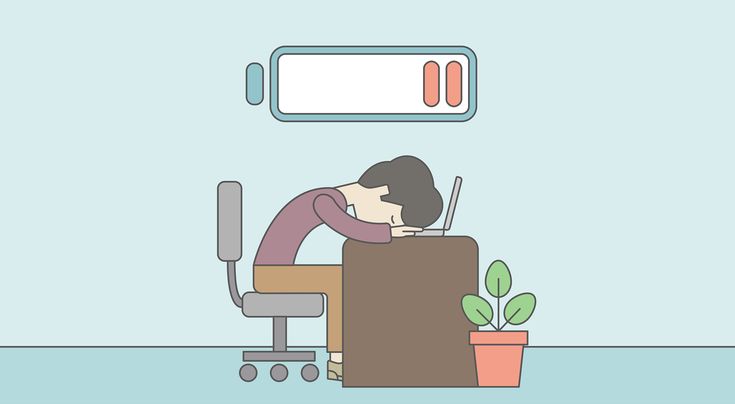
It is okay. Creativity for the sake of creativity gives energy because it belongs only to you, and no one can say 'not interesting' to it. The moment you start depending on the world to validate that work, the battery drains. The trick is to keep a private, protected space where the project still belongs to you — even while you are asking the world to fund it.
From the ELYSIUM team
At Mercenary Games, we are building ELYSIUM — an AI-powered MMORPG — with a tiny team, limited resources, and a lot of belief. Some days we are deep in Unreal Engine, talking to Elysia AI, iterating on systems and feeling unstoppable. Other days we are writing emails, updating Kickstarter, answering questions, and watching metrics that refuse to move. Both are necessary. Neither can run forever without the other.
If you are building something alone, or with a small group, and you feel the battery dropping: close the tabs. Mute the analytics. Go back to the part that only you can make. The world will still be there when you return, and you will return with better work.
Keep building. The world catches up eventually.